IELTS Laboratory is designed for teachers who want a clearer, more coherent way to teach IELTS Academic Writing. It provides a shared structure for writing, feedback, and revision, helping students understand what to work on and why it matters.

Although IELTS Academic Writing is taught worldwide, there is still no shared, purpose-built teaching resource designed for how IELTS is actually taught today.
01
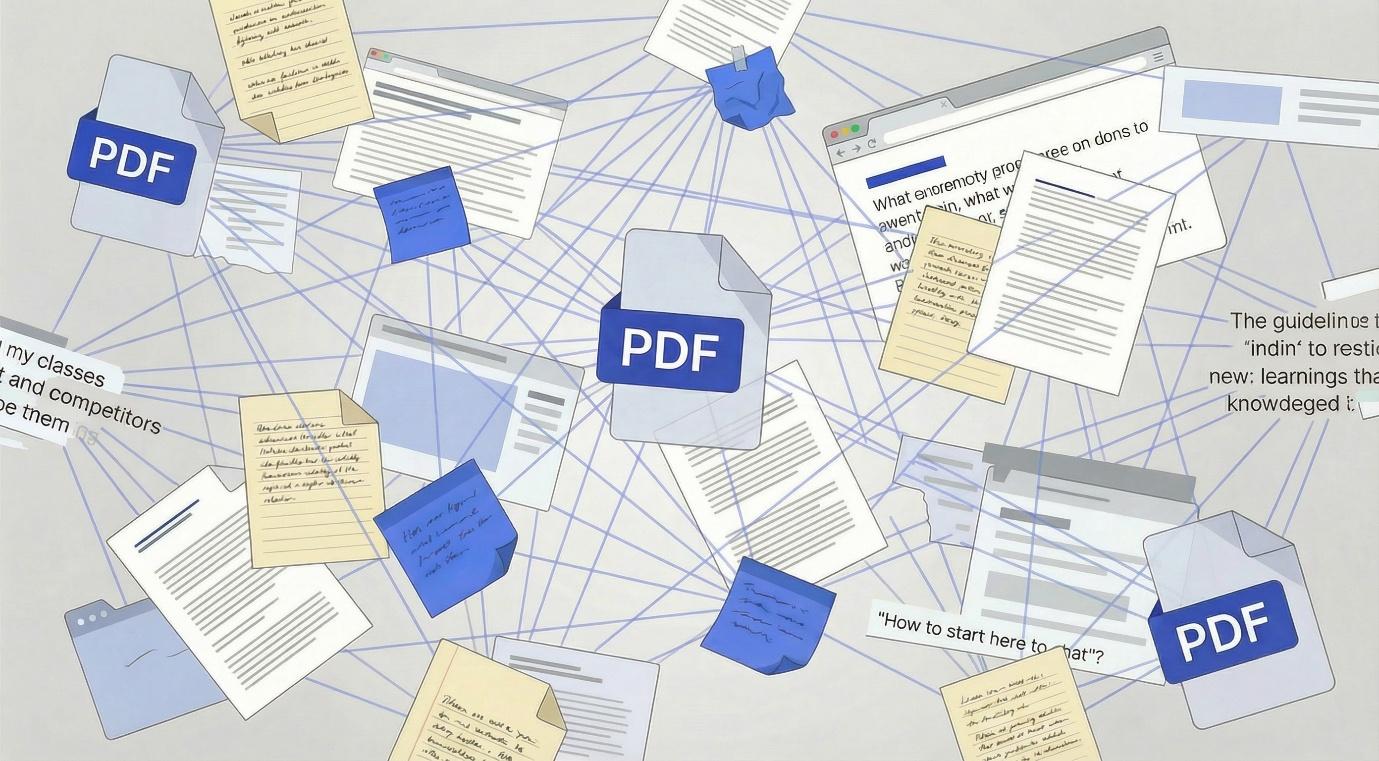
Both online and face to face academic IELTS teachers often rely on:
static PDFs and scanned book pages
disconnected documents
repeated explanations rebuilt for each class or cohort

02
These materials were designed for print-based delivery, not for modern teaching contexts where:
lessons are delivered online or to large groups
students work at different speeds
writing development requires iteration and comparison
The absence of shared, digital-first tools creates unnecessary workload for teachers and fragmented learning for students.
IELTS Laboratory is designed to function as a shared online textbook for IELTS Academic Writing, usable across online and face-to-face teaching contexts.
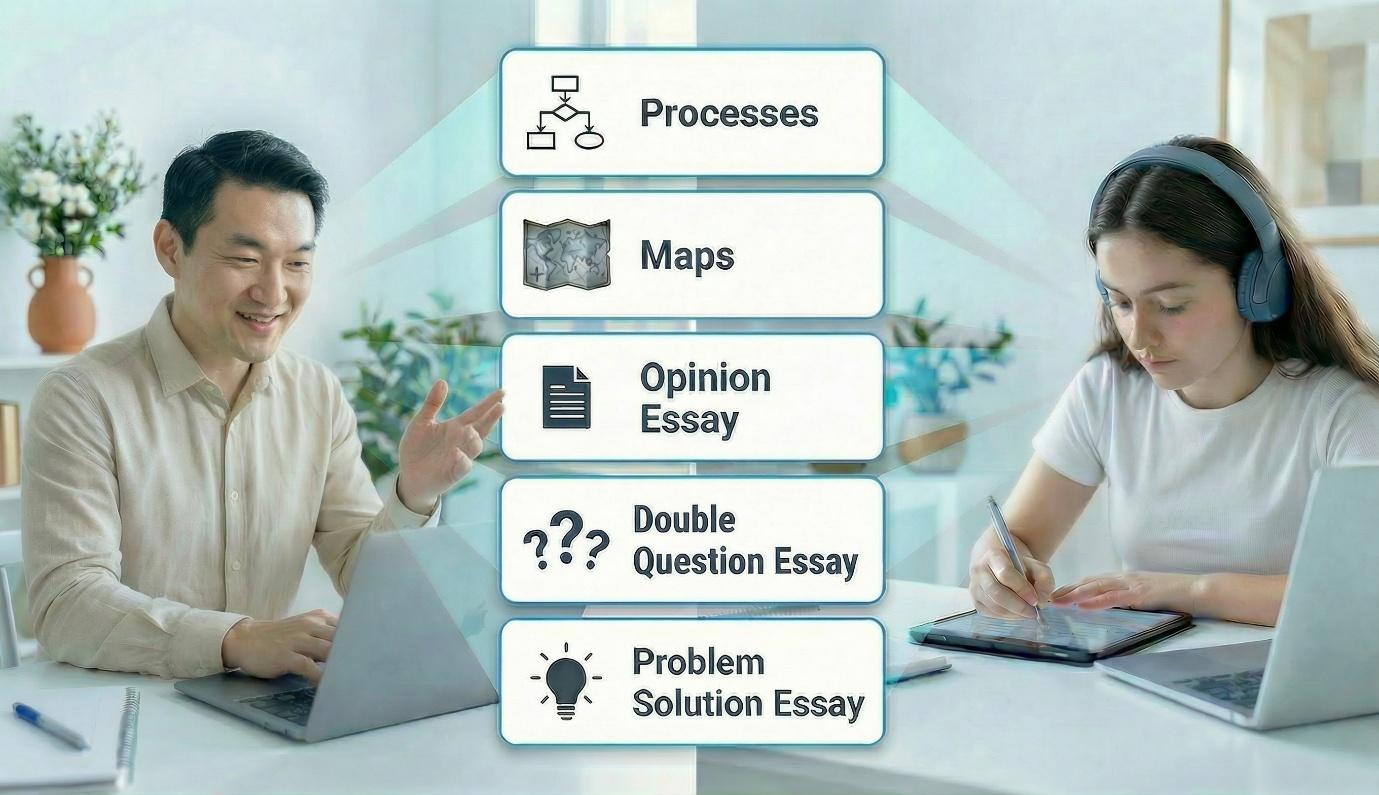
For online teachers, it provides
a stable, shared reference instead of sending PDFs
consistent task logic and models across lessons
a common framework to anchor feedback and discussion
For face-to-face teachers working with large groups, it allows:
students to work independently outside class time
lesson time to focus on discussion, collaborative writing, and speaking task practice rather than explanation
consistent reference points across large or mixed-ability cohorts
This website uses AI for marking the first and second draft, and you have the option of paying extra for a teacher to mark your work. AI is used for quick practice, human judgement is used for a better quality check after the basic problems have been settled.
IELTS Laboratory is free for teachers to use with their students.
There are no fees, no hidden charges, and no requirement to use automated feedback.
Teachers can use the platform as:
A shared online textbook
A structured writing and revision framework
A consistent reference point for feedback and discussion
In this model:
Students can access the materials independently
Teachers mark and discuss student writing themselves
The platform provides structure, sequencing, and shared language rather than replacement feedback
This allows teachers to:
Maintain full control over assessment and judgement
Reduce the need for patched-together materials
Track academic writing development over time.
The platform is designed to support teaching practice, not compete with it. AI can be used to practice, but teachers remain central to interpretation, feedback, and pedagogical decision-making.
IELTS Laboratory is grounded in the principle that learning is most effective when it begins with doing. Students learn more from attempting a task, reflecting on feedback, and revising their work than from receiving large amounts of instruction before writing.

Learning through doing
Students write before they study. This makes strengths and weaknesses visible and gives learning a clear purpose by contextualising the lesson content.
01

Diagnostic teaching
Instruction is most effective when it responds to real learner needs. Feedback is used to identify priorities rather than to correct everything at once.
02

Feedback as guidance
Feedback is designed to support decision-making. It helps students understand what to change next, rather than overwhelming them with detail.
03
IELTS Laboratory follows a Test–Teach–Test approach that is simple to understand and easy to integrate into teaching.
01
Test
Students produce a full piece of writing before instruction
01
Teach
Instruction and materials are targeted to the most important issues identified
01
Test again
Students rewrite and apply learning deliberately
This structure allows teachers to focus lesson time on interpretation, explanation, and discussion, and speaking task practice rather than repeating generic advice.
The courses also implement Kolb's learning cycle
Concrete experience
writing an initial draft
Reflective observation
reviewing prioritised feedback
Abstract conceptualisation
studying targeted explanations and examples
Active experimentation
rewriting and testing new approaches
By moving through this cycle, students develop a deeper understanding of academic writing and become more independent learners. Teachers benefit from a clear pedagogical logic that supports reflective practice rather than surface correction.
01
As a core framework
Teachers can use IELTS Laboratory as the backbone of an IELTS Academic Writing course. The platform provides a clear sequence for writing tasks, feedback, and revision, which teachers can align with lessons, workshops, or tutorials.
02
As a supplement
IELTS Laboratory can also be used alongside existing teaching materials. It adds diagnostic depth and structure, helping students connect teaching points to their own writing more clearly.
03
As a diagnostic tool
Patterns across student submissions make common issues visible. This allows teachers to focus teaching time on shared priorities rather than repeating the same explanations individually.
Problems it helps solve
IELTS Laboratory is designed to address common challenges in IELTS writing instruction:
Fragmented or patched-together teaching materials
Students learning new concepts in their second language can increase cognitive load
Students receiving feedback but not knowing how to act on it
Learners feeling overwhelmed by too much advice at once
By prioritising focus and sequence, the platform helps turn feedback into learning.
Benefits for teaching practice
Using IELTS Laboratory supports teaching by providing:
A shared language for discussing writing improvement
Clear learning sequences students can follow independently at their own speed
More purposeful use of lesson time – more discussion, more student speaking, more targeted learning
Greater student engagement with feedback and revision
An important feature of IELTS Laboratory is its use of aggregated and anonymised data. Patterns across student writing and feedback are analysed to identify common difficulties and improvement trends.
These insights are used to:
Refine and improve course materials
Adjust explanations and examples
Focus future lessons on the issues that matter most
This means the course evolves over time, informed by real learner data rather than assumptions.

IELTS Laboratory is designed to support academic IELTS teachers, not replace them. It respects professional judgement and values pedagogy over automation.
Transparency in how feedback is generated and used
Learner understanding rather than performance alone